
Growing up in the Wreckage of War
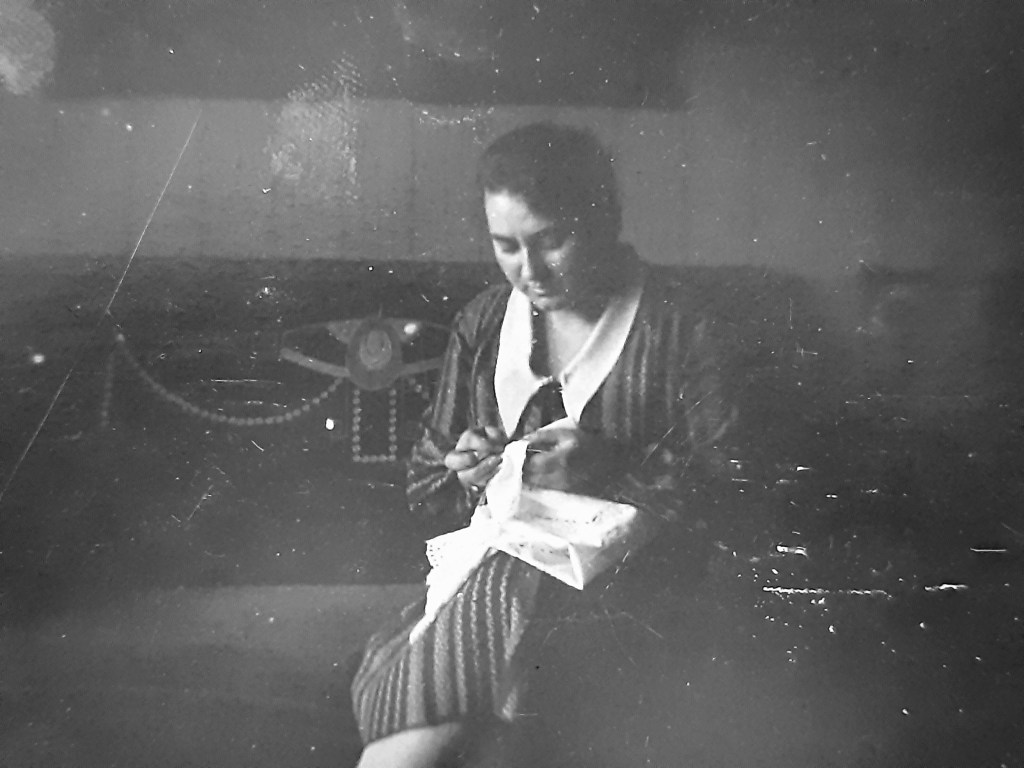
Little Rudi was chasing her around with a stool. He was three now. It was the second year of a world war, and food was scarce. Thank goodness, Frieda thought, that her milk was abundant. She unbuttoned her blouse, pulled out her breast, and, perched on the stool, the little boy began to nurse.
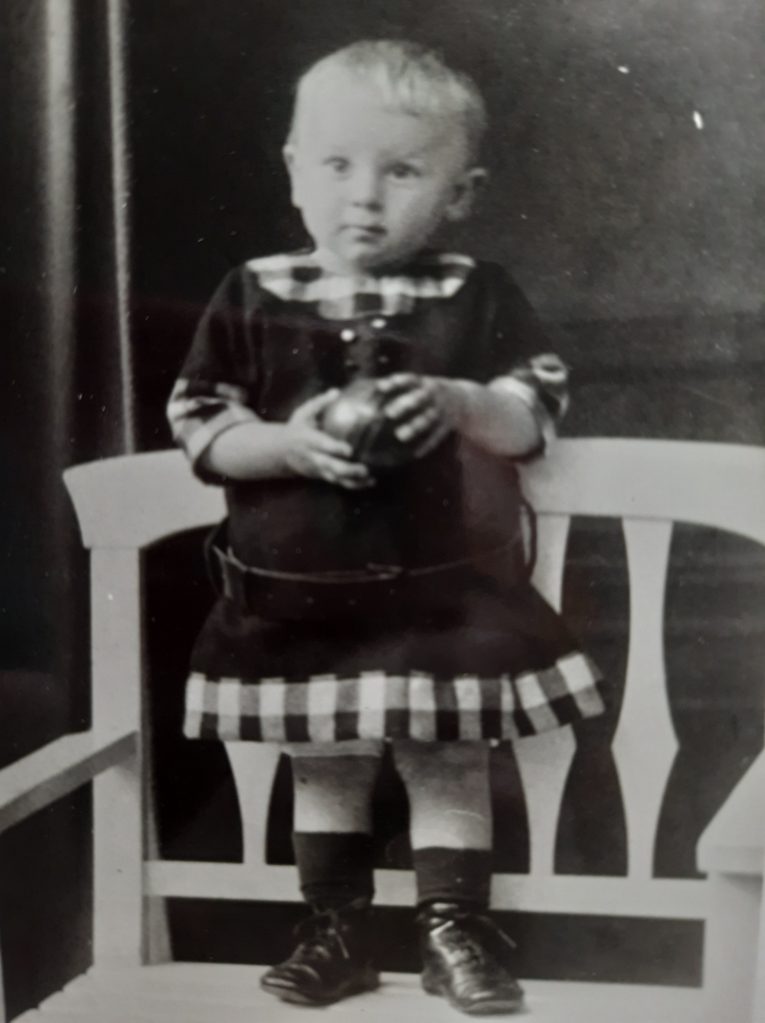
When the war ended, the surrounding ruins were a playground dream for the neighborhood kids. Frieda had forbidden him from going near them, but he was stubborn and wouldn’t listen. More than once, he came home with a bloody knee and torn clothes. She would have to mend them. The shops were bare, and money was tight.
By the time he was fourteen, Rudi and his friends were still exploring places where they hoped to unearth something interesting. From a pile of rubble, a Zeiss lens glinted in the trash. It was a treasure for the teenager.
“Mommy, Mommy!” he called out. “Look what I found! At school, they taught us about the camera obscura and a man named Daguerre. I’m going to build myself a camera!”
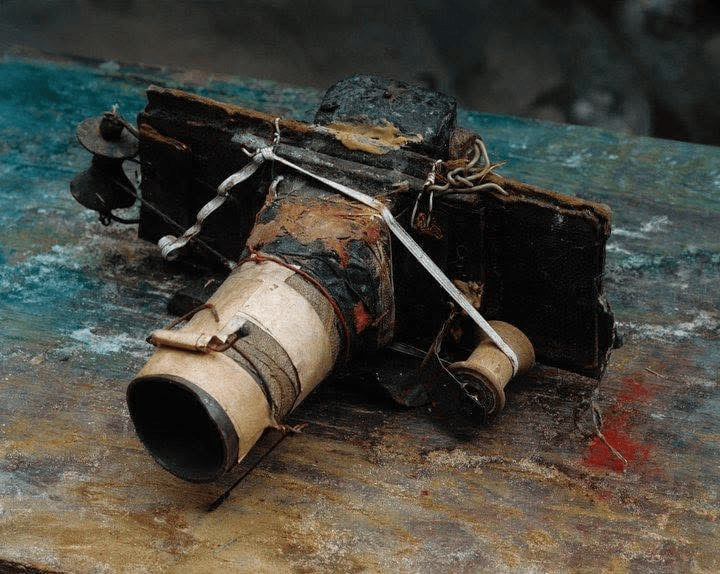
Thank goodness he’s a good student and uses his time well, his mother thought. Aside from being rather messy, frequently ruining his clothes, and hating to wash up, he was a low-maintenance child. He’ll figure things out, Frieda reassured herself.
“What’s for lunch?” she heard him call from the stairs.
“Wipe your shoes before you come in!” she called back. Now it was her turn to chase him—not with a stool, but with a mop. He had left a trail of muddy footprints, and her husband could not stand a dirty house.

