Eyes

I, too, have eyes—beautiful eyes!*

I am the daughter of a photographer. As a child, I never wanted to follow in my father’s footsteps because he lacked the patience to teach. Back then, I couldn’t see the world behind his eyes.
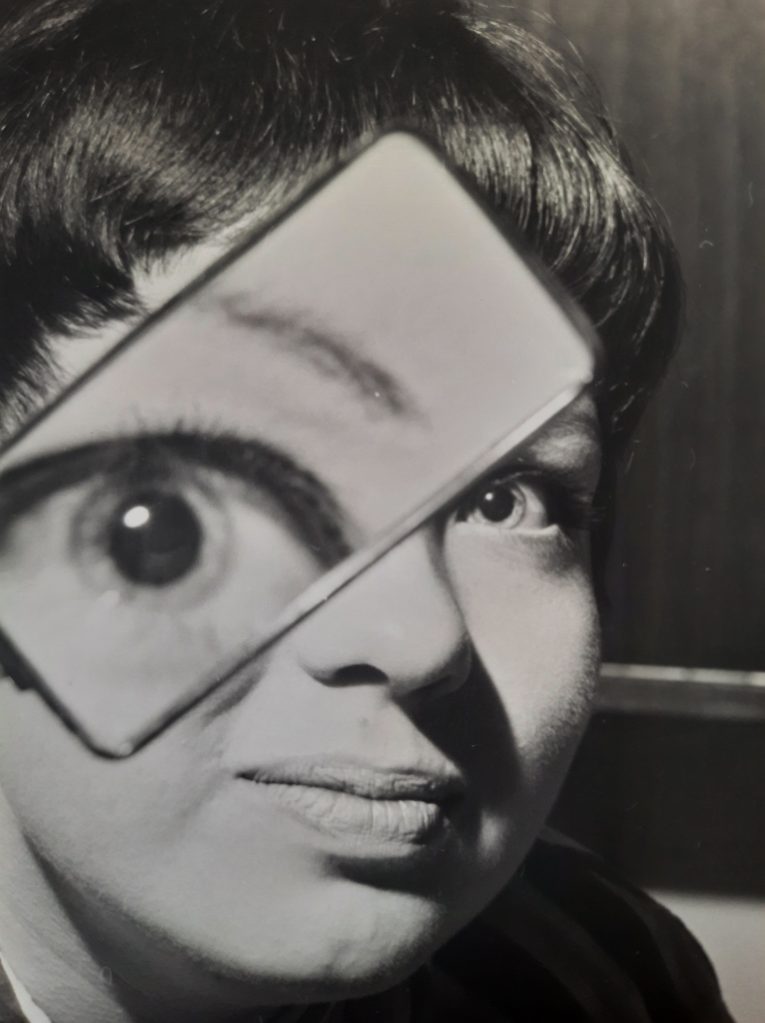
A black and white photograph of a person holding a mirror that reflects one of their eyes, creating an artistic visual effect.

He was the son of an ambitious nation, born shortly before a devastating world war. When he was fourteen, the curious boy caught the wink of an optical lens in the trash. He fashioned his first camera and fell under the spell of the visual world—an encounter that would change his life forever.

Thirteen years later, then a young ballet dancer, he was drafted into service for a second world war. He decided he did not want to face the enemy with a weapon in his hand, but with a camera. He offered his services to the Wehrmacht as a photographer. From then on, he traveled to the theaters of war aboard a U-boat.

Whenever he surfaced from the breathtaking darkness of the deep waters into the liberating air of a coast, his third eye caught the cruel light illuminating horror and destruction. From the hostile cold of Scandinavia to the vibrant heat of Italy and the dry sun of Tripoli, he captured his impressions on rolls of celluloid.
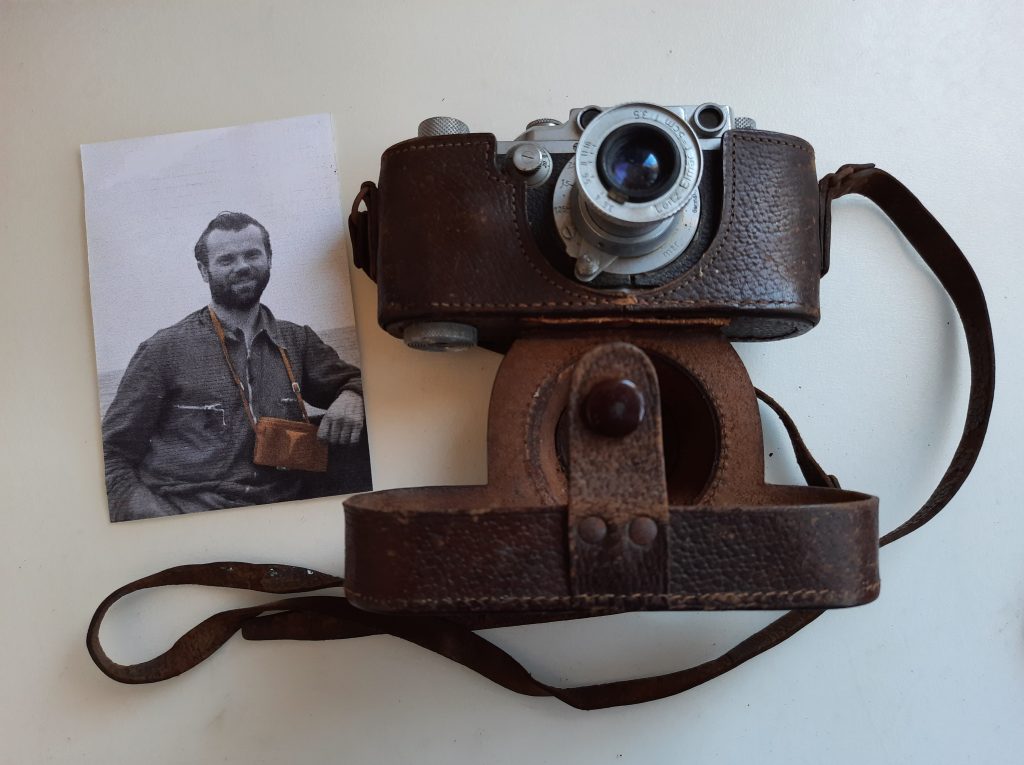
An antique camera with a leather case, positioned next to a black and white photograph of a smiling man wearing a camera around his neck.

While his camera recorded the terrible reality of battles on the front lines, the observer within him rejected those horrific images, choosing to remember only the beautiful pictures of adventures in foreign lands. From developing in the darkroom, the photographer knew darkness well. In the submarine, he had grown accustomed to the suffocating obscurity of the deep. When the war ended, the returning veteran set up his first studio in an underground bunker.

A ruined Germany licked its wounds. At forty, driven by curiosity, he photographed the windows of newly built homes like glittering eyes, the radiant eyes of newlyweds, and—with loving eyes—his wife and daughter. On photographic paper, he reproduced the world of his inner canvas, bearing witness to a new beginning and the rising and falling tides of his homeland.

Distant lands continued to lure the adventurer. Traveling the world, the curious Cyclops used his third eye to explore exotic vegetation, foreign cultures, and the people of distant shores. Later, having retired to a remote island, the old explorer upgraded his equipment, though his own failing eyes began to betray him. The lens of his camera became his way of navigating his surroundings.
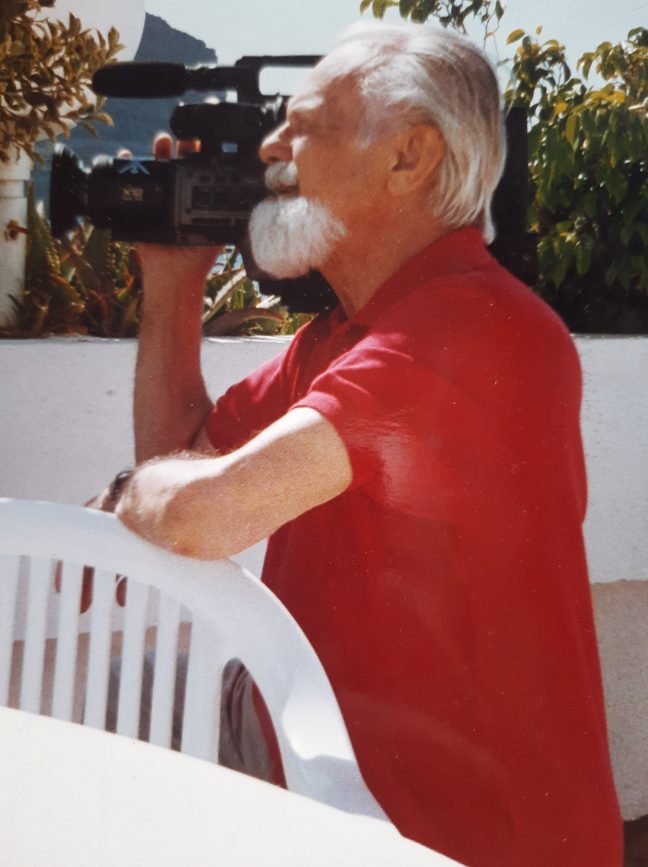
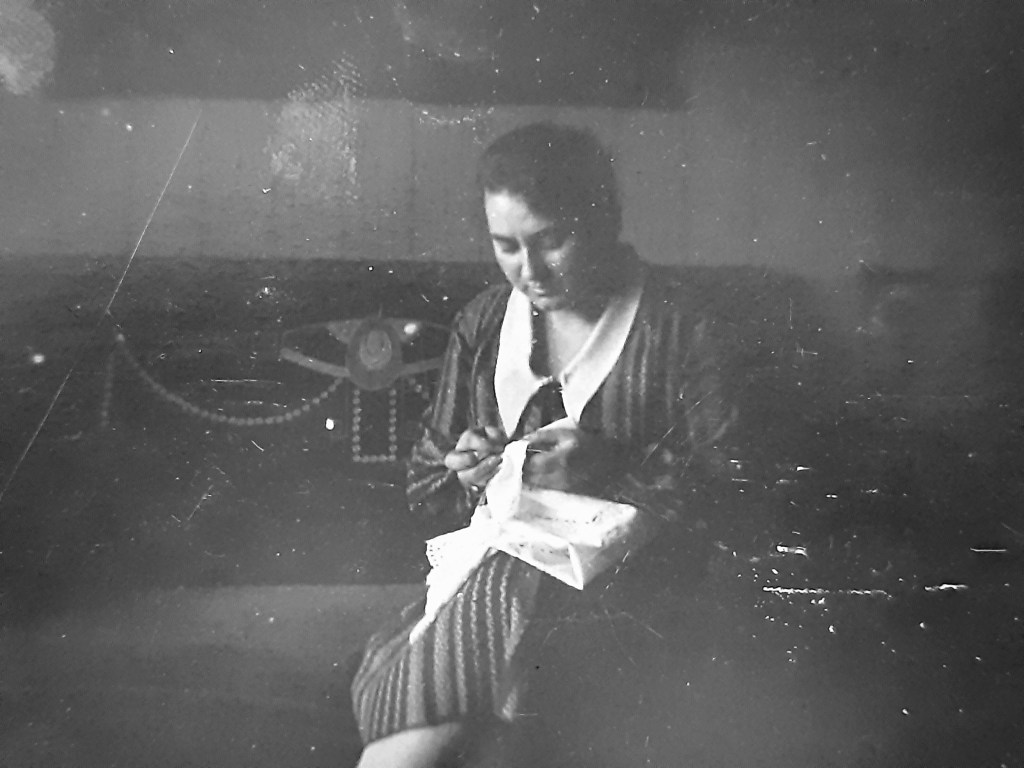
Koni Eimke with his video camera

When the light in his gaze finally went out, one half-blind eye remained open in a final stare. As I kissed him one last time, I realized that through his loving vision, he had taught me a love for life. In his photos, I see his perspective. Now that his lids are closed, I can finally see the world behind them.

* From ETA Hoffmann, The Sandman (1817)
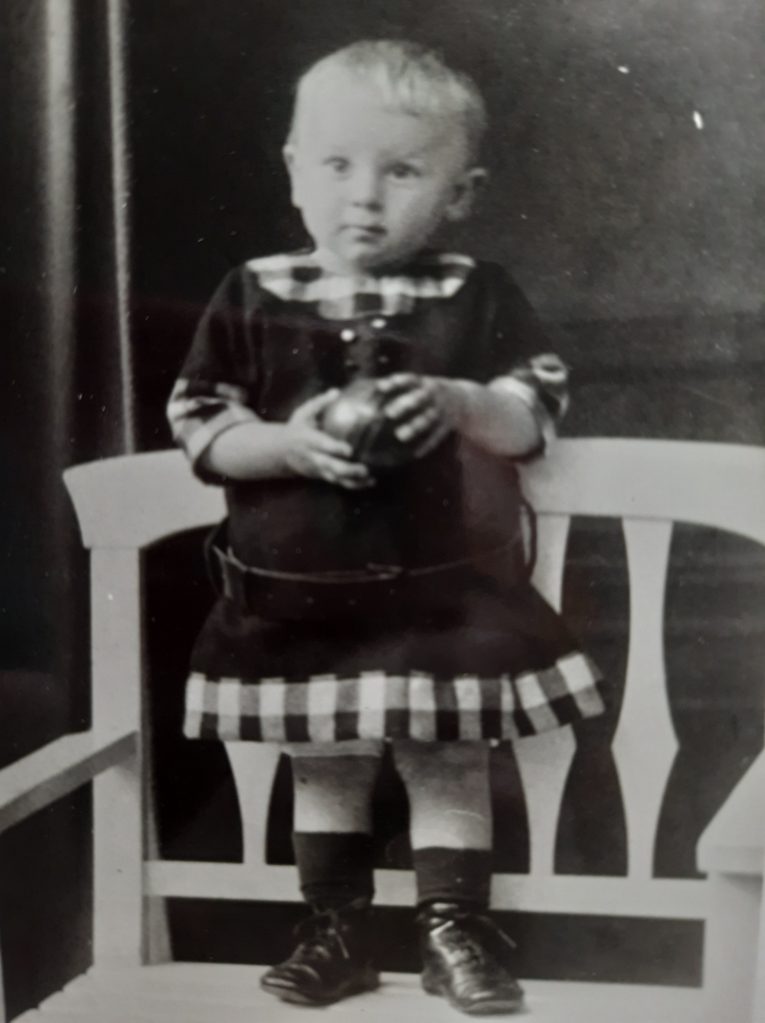
The Zeiss Lens

Growing up in the Wreckage of War

Little Rudi was chasing her around with a stool. He was three now. It was the second year of a world war, and food was scarce. Thank goodness, Frieda thought, that her milk was abundant. She unbuttoned her blouse, pulled out her breast, and, perched on the stool, the little boy began to nurse.

When the war ended, the surrounding ruins were a playground dream for the neighborhood kids. Frieda had forbidden him from going near them, but he was stubborn and wouldn’t listen. More than once, he came home with a bloody knee and torn clothes. She would have to mend them. The shops were bare, and money was tight.

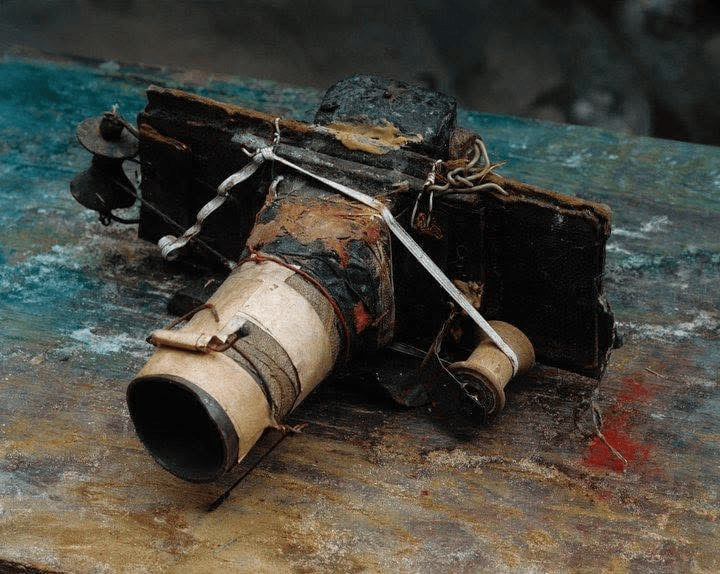
By the time he was fourteen, Rudi and his friends were still exploring places where they hoped to unearth something interesting. From a pile of rubble, a Zeiss lens glinted in the trash. It was a treasure for the teenager.

“Mommy, Mommy!” he called out. “Look what I found! At school, they taught us about the camera obscura and a man named Daguerre. I’m going to build myself a camera!”

Foto: Roman Buxbaum – Tichý Ocean Foundation

Thank goodness he’s a good student and uses his time well, his mother thought. Aside from being rather messy, frequently ruining his clothes, and hating to wash up, he was a low-maintenance child. He’ll figure things out, Frieda reassured herself.

“What’s for lunch?” she heard him call from the stairs.

“Wipe your shoes before you come in!” she called back. Now it was her turn to chase him—not with a stool, but with a mop. He had left a trail of muddy footprints, and her husband could not stand a dirty house.

Ellen

Forty-two Years of Friendship

The day before, I had taken a monumental step: moving out of my parents’ home and into a place of my own. Today was all about gratitude—a chance to host the friends who had helped me move and thank them with a home-cooked meal. There was just one problem. My new flat came with a gas stove, and no matter how much I fumbled with it, I couldn’t get it to light. As the clock ticked down, panic began to set in. Desperate, I decided to seek help next door.

Our fifth-floor apartment was split down the middle by a shared hallway that housed a shower on one side, a bathtub on the other, and a toilet nestled between them. On either side sat a separate kitchen and bedroom. The girl who used to live on the right side had recently moved out, leaving the remaining tenant to choose her new neighbor. She had chosen me.

I crossed the threshold and tapped softly on the frosted glass of her door. Moments later, a silhouette glided toward the glass. The door swung open, and there stood Ellen—completely, unapologetically naked.

I just froze there, eyes wide, utterly speechless. Ellen took one look at my stunned face and burst into laughter. “I don’t even have a gas stove—just two electric hot plates,” she chuckled. Taking me by the hand, she walked me back across the hall to my kitchen. Together, we finally coaxed a flame from the burner.

The food was still simmering on the stove as the first visitor rang the doorbell. That wild, unexpected afternoon encounter marked the beginning of a forty-two-year friendship—one that endured until the day God did us part.

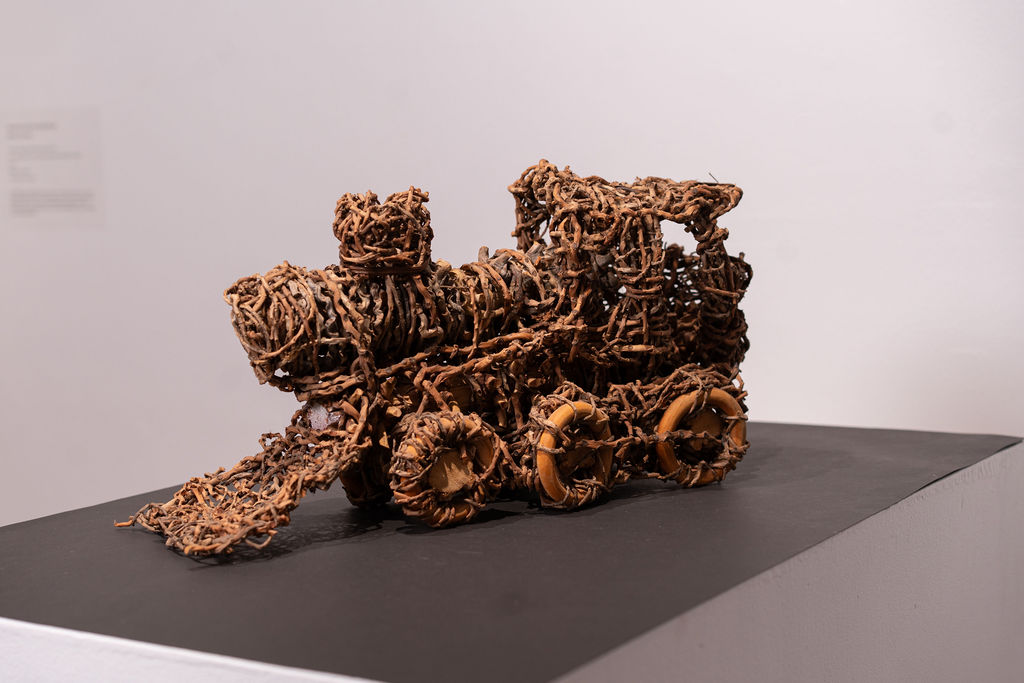
Janine McAullay-Bott, Train Engine, 2011, palm fronds, palm branch, kurrajong seed pod . Photo Josh Wells. Image supplied by MAC Inc.

Janine McAullay-Bott, Train Engine, 2011, palm fronds, palm branch, kurrajong seed pod . Photo Josh Wells. Image supplied by MAC Inc.

This morning, it felt as though her spirit were in the room with me. A photo popped up on my phone showing a tiny locomotive woven from twigs, and I knew instantly how much she would have adored it. She was an avid collector of toy trains and locomotives. Seeing it, I could almost picture her riding high atop that wooden train, her short hair tousled by the wind, laughing whole-heartedly—and, of course, stark naked.

I miss her dearly. She was the best friend I ever had.

A Visual Mind in a World of Words

Just Thinking

Today, I realized that it is far easier for me to think and write in a foreign language than it is to speak it. I can’t help but wonder why that is! As an exercise for today, I decide to dictate my thoughts directly into my phone. What a hassle! It feels clumsy and difficult, but I regard it as a creative challenge. So, practice it is!

Do I actually think in words? I don’t believe I do. My thoughts take shape long before the words arrive, and the specific language I choose depends entirely on whatever linguistic environment I happen to be immersed in at the moment.

Language is powerful. The Gospel of John famously begins with, “In the beginning was the Word,” casting the word as the ultimate creative force. On the other hand, Ulysses S. Grant once wrote, “I think I am a verb.” I deeply resonate with that observation. I am always active—a doer, a feeler, a creator of my own world. I am an active piece of the universe around me, or at the very least, my actions ripple through it.

I also think in images, a trait I consider quite important. Being the daughter of a photographer, this visual instinct is part of my DNA. As an artist, I spent a long time expressing my feelings, observations, and ideas through multidimensional, tactile visual works. Learning to describe both my inner and outer worlds through written language is an entirely new journey for me.