The Zeiss Lens

Growing up in the Wreckage of War

Little Rudi was chasing her around with a stool. He was three now. It was the second year of a world war, and food was scarce. Thank goodness, Frieda thought, that her milk was abundant. She unbuttoned her blouse, pulled out her breast, and, perched on the stool, the little boy began to nurse.
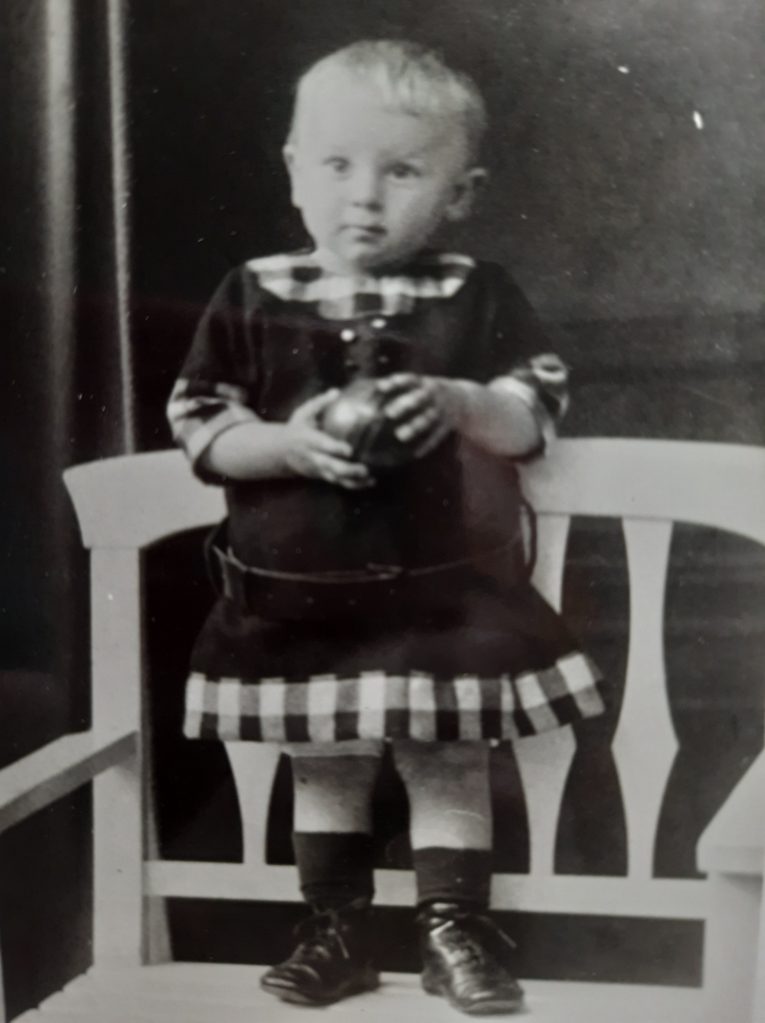
When the war ended, the surrounding ruins were a playground dream for the neighborhood kids. Frieda had forbidden him from going near them, but he was stubborn and wouldn’t listen. More than once, he came home with a bloody knee and torn clothes. She would have to mend them. The shops were bare, and money was tight.
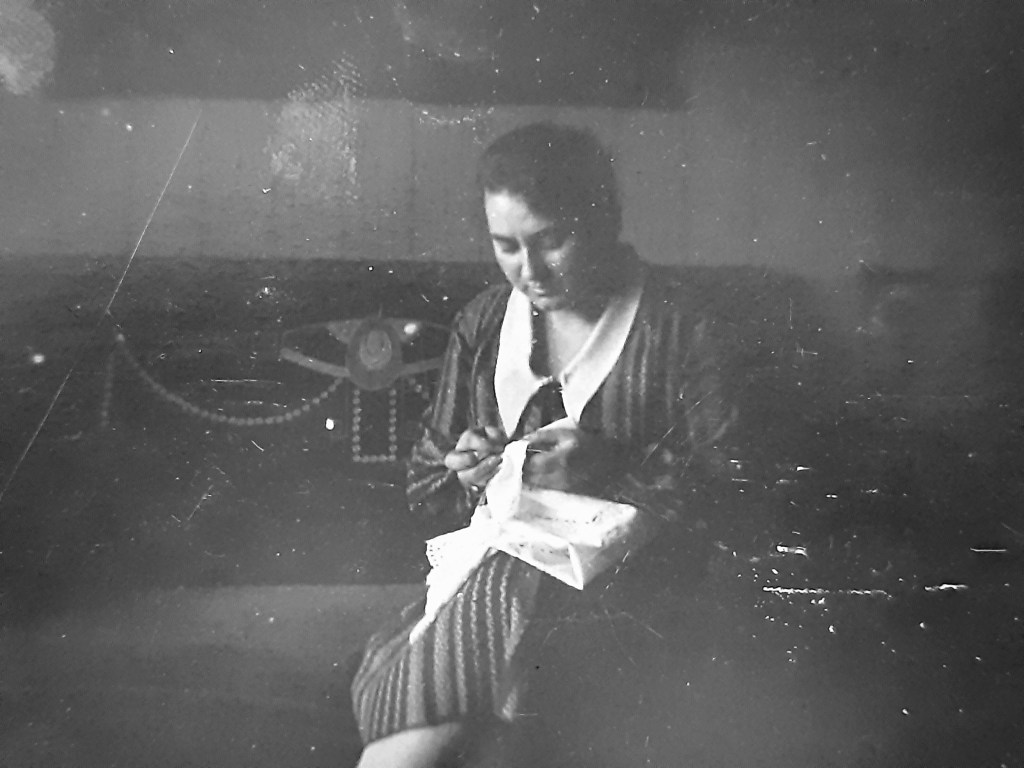
By the time he was fourteen, Rudi and his friends were still exploring places where they hoped to unearth something interesting. From a pile of rubble, a Zeiss lens glinted in the trash. It was a treasure for the teenager.

“Mommy, Mommy!” he called out. “Look what I found! At school, they taught us about the camera obscura and a man named Daguerre. I’m going to build myself a camera!”
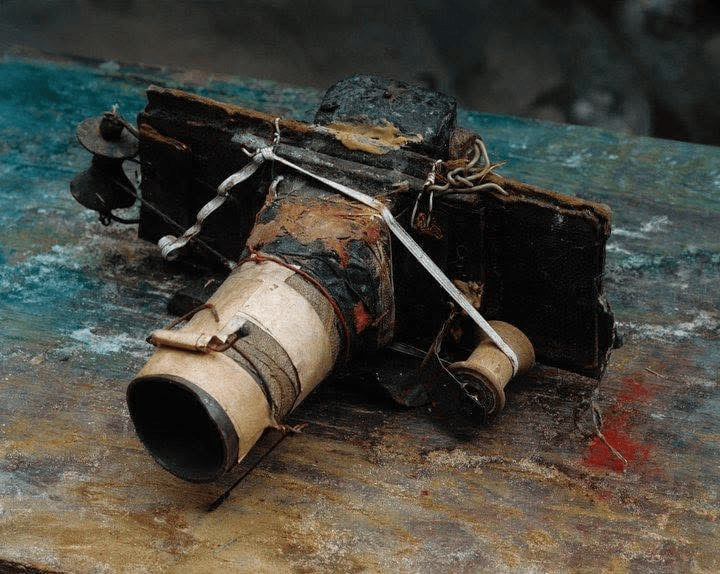
Foto: Roman Buxbaum – Tichý Ocean Foundation

Thank goodness he’s a good student and uses his time well, his mother thought. Aside from being rather messy, frequently ruining his clothes, and hating to wash up, he was a low-maintenance child. He’ll figure things out, Frieda reassured herself.

“What’s for lunch?” she heard him call from the stairs.

“Wipe your shoes before you come in!” she called back. Now it was her turn to chase him—not with a stool, but with a mop. He had left a trail of muddy footprints, and her husband could not stand a dirty house.
Ellen

Forty-two Years of Friendship

The day before, I had taken a monumental step: moving out of my parents’ home and into a place of my own. Today was all about gratitude—a chance to host the friends who had helped me move and thank them with a home-cooked meal. There was just one problem. My new flat came with a gas stove, and no matter how much I fumbled with it, I couldn’t get it to light. As the clock ticked down, panic began to set in. Desperate, I decided to seek help next door.

Our fifth-floor apartment was split down the middle by a shared hallway that housed a shower on one side, a bathtub on the other, and a toilet nestled between them. On either side sat a separate kitchen and bedroom. The girl who used to live on the right side had recently moved out, leaving the remaining tenant to choose her new neighbor. She had chosen me.

I crossed the threshold and tapped softly on the frosted glass of her door. Moments later, a silhouette glided toward the glass. The door swung open, and there stood Ellen—completely, unapologetically naked.

I just froze there, eyes wide, utterly speechless. Ellen took one look at my stunned face and burst into laughter. “I don’t even have a gas stove—just two electric hot plates,” she chuckled. Taking me by the hand, she walked me back across the hall to my kitchen. Together, we finally coaxed a flame from the burner.

The food was still simmering on the stove as the first visitor rang the doorbell. That wild, unexpected afternoon encounter marked the beginning of a forty-two-year friendship—one that endured until the day God did us part.

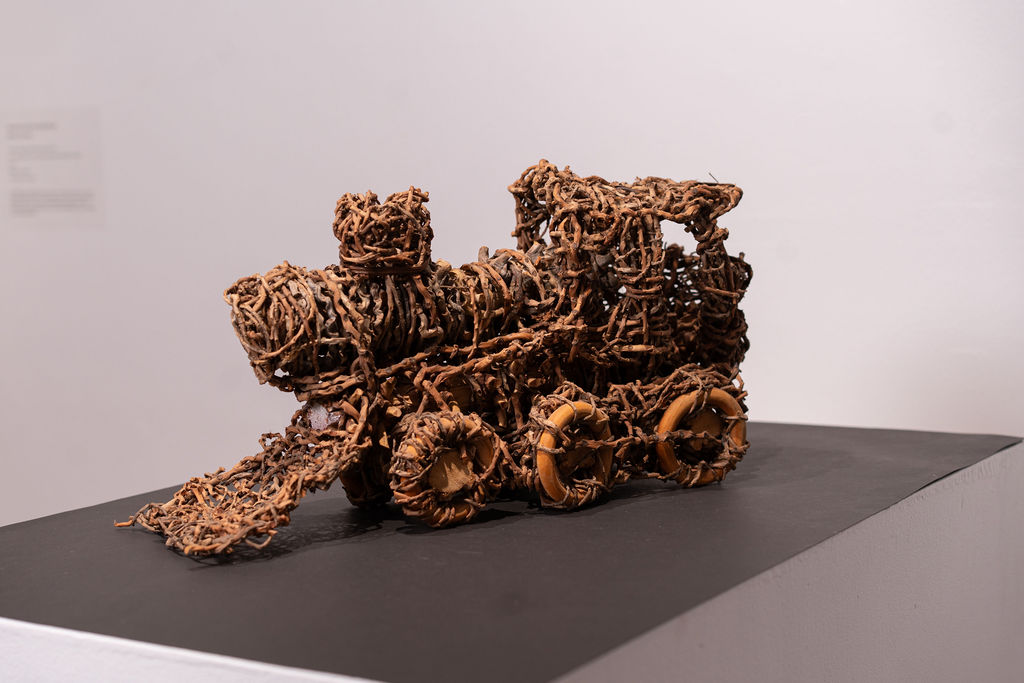
Janine McAullay-Bott, Train Engine, 2011, palm fronds, palm branch, kurrajong seed pod . Photo Josh Wells. Image supplied by MAC Inc.

Janine McAullay-Bott, Train Engine, 2011, palm fronds, palm branch, kurrajong seed pod . Photo Josh Wells. Image supplied by MAC Inc.

This morning, it felt as though her spirit were in the room with me. A photo popped up on my phone showing a tiny locomotive woven from twigs, and I knew instantly how much she would have adored it. She was an avid collector of toy trains and locomotives. Seeing it, I could almost picture her riding high atop that wooden train, her short hair tousled by the wind, laughing whole-heartedly—and, of course, stark naked.

I miss her dearly. She was the best friend I ever had.

The Sea is an Interior Monologue…

…and sometimes, my inner monologue is like the sea. In its calm blue, mysteries hide much like in the human psyche. They are difficult to wrest away. Sometimes they emerge on their own from the relentless ebb and flow. The sea is different every day. It is masculine and feminine. There are days when she looks like silver playing with the sun. When whipped by the wind, he grows angry, green as a cat’s eyes. I lose myself in the freedom of its infinite horizon. In the soothing murmur of its waves, I find a whole spectrum of ideas and thoughts, as deep as the sea itself. It speaks to me. Or is it I who speak to myself, stirred by it?

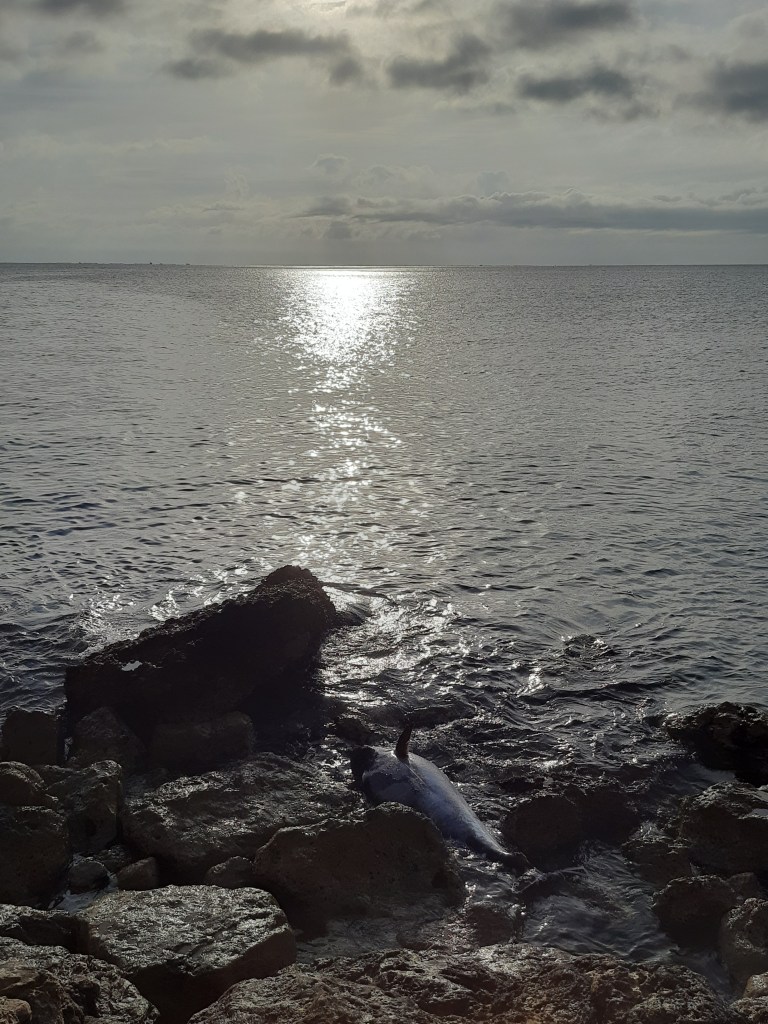
This morning, while walking my dog along the seashore, I found a tuna stranded among the rocks. I will never know what happened to it. I had often watched the large fishing boats hauling giant tuna from their deep bellies, lifted out of the fish farm enclosures. They transfer them to trucks that take them to the auction. Perhaps this one managed to escape its prison and died of hunger because, once free, it did not know how to feed itself. It was used to a daily diet of sardines, for which it sometimes fought with the other captive fish and the seagulls. Maybe it envied the seagulls their freedom of flight and decided to escape. Perhaps it injured itself during its getaway, which ultimately cost it its life. Or perhaps its time had simply come.

When this town cast a spell on me and I decided to stay, I had the impression it would be forever. This morning, I saw myself in the tuna’s place. We have both reached the end of the journey. It has died. I feel resurrected. Living by the sea is a present. And dying will be one, too.