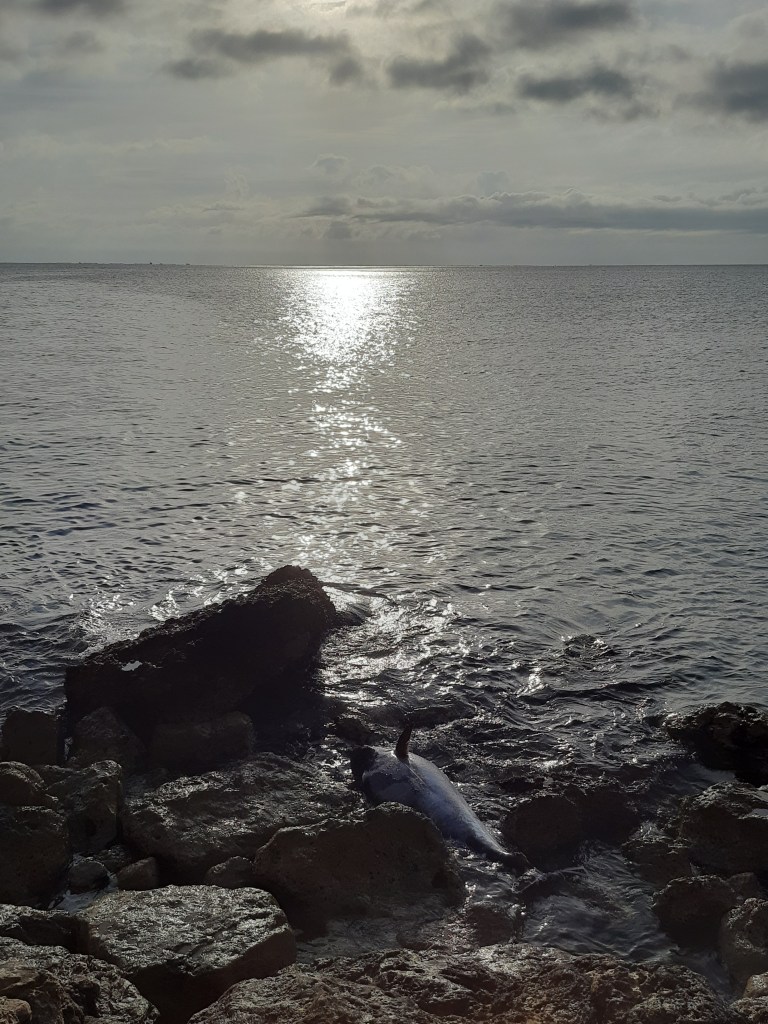
I, too, have eyes—beautiful eyes!*
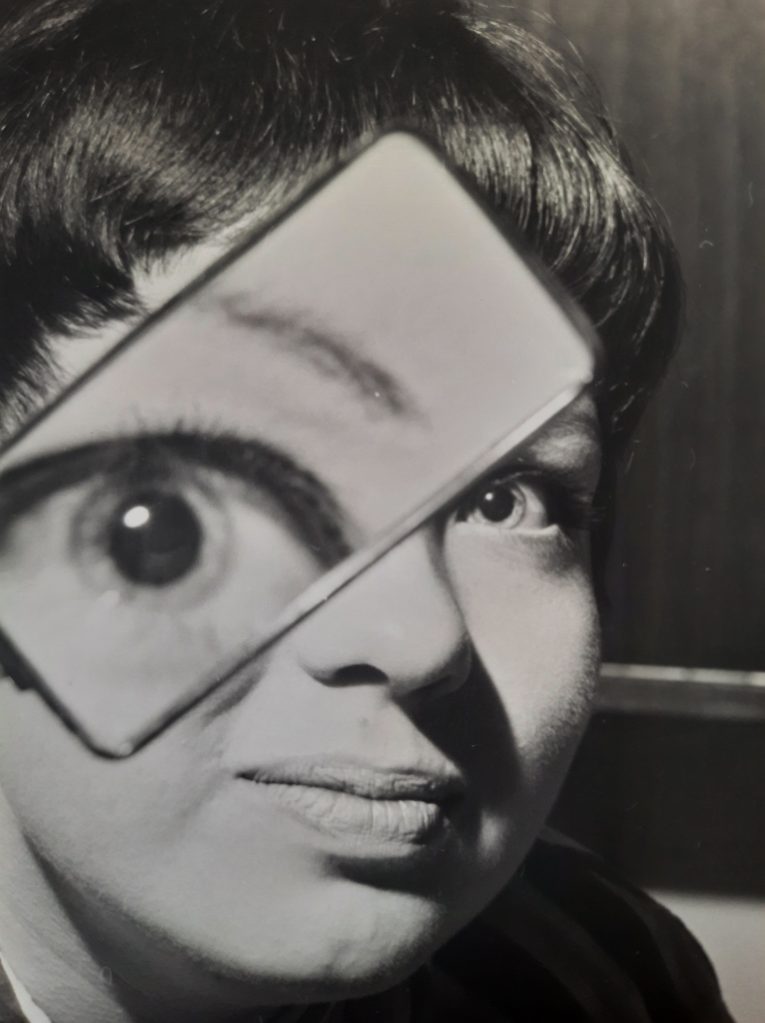
I am the daughter of a photographer. As a child, I never wanted to follow in my father’s footsteps because he lacked the patience to teach. Back then, I couldn’t see the world behind his eyes.
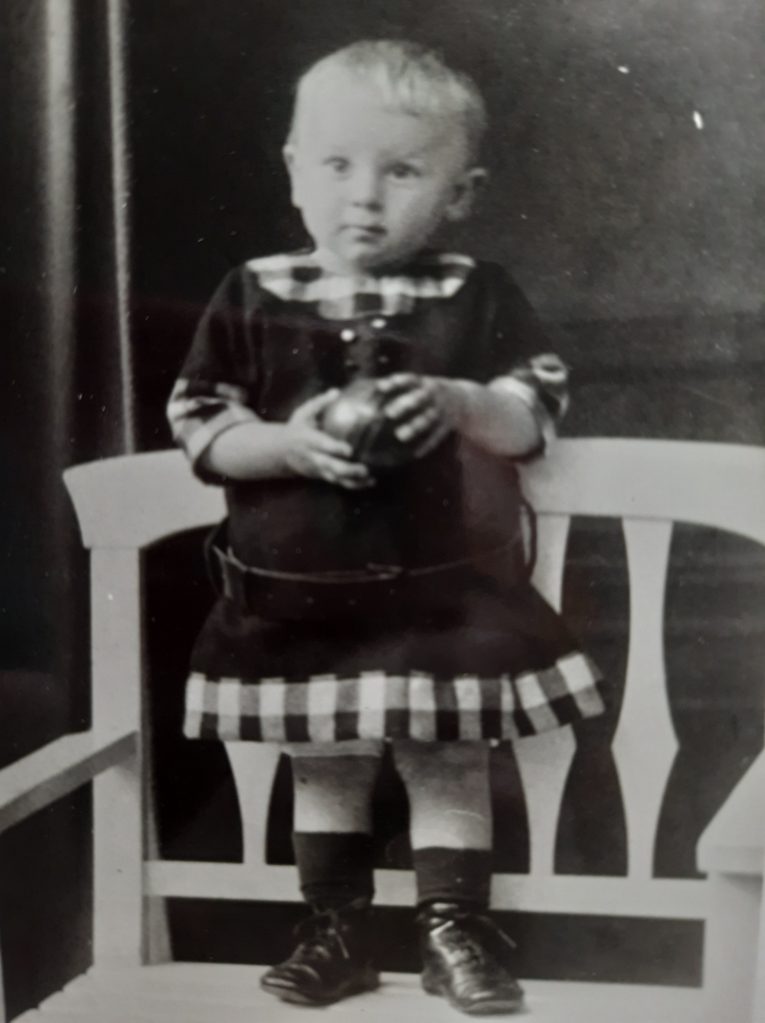
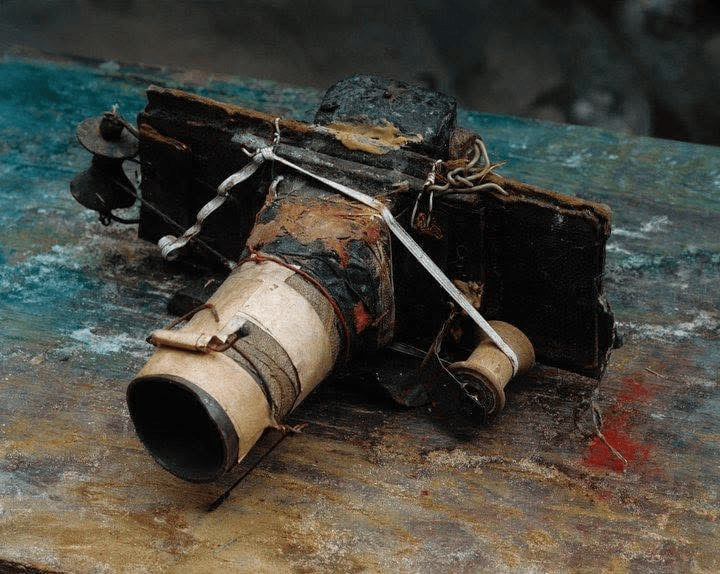
He was the son of an ambitious nation, born shortly before a devastating world war. When he was fourteen, the curious boy caught the wink of an optical lens in the trash. He fashioned his first camera and fell under the spell of the visual world—an encounter that would change his life forever.
Thirteen years later, then a young ballet dancer, he was drafted into service for a second world war. He decided he did not want to face the enemy with a weapon in his hand, but with a camera. He offered his services to the Wehrmacht as a photographer. From then on, he traveled to the theaters of war aboard a U-boat.
Whenever he surfaced from the breathtaking darkness of the deep waters into the liberating air of a coast, his third eye caught the cruel light illuminating horror and destruction. From the hostile cold of Scandinavia to the vibrant heat of Italy and the dry sun of Tripoli, he captured his impressions on rolls of celluloid.
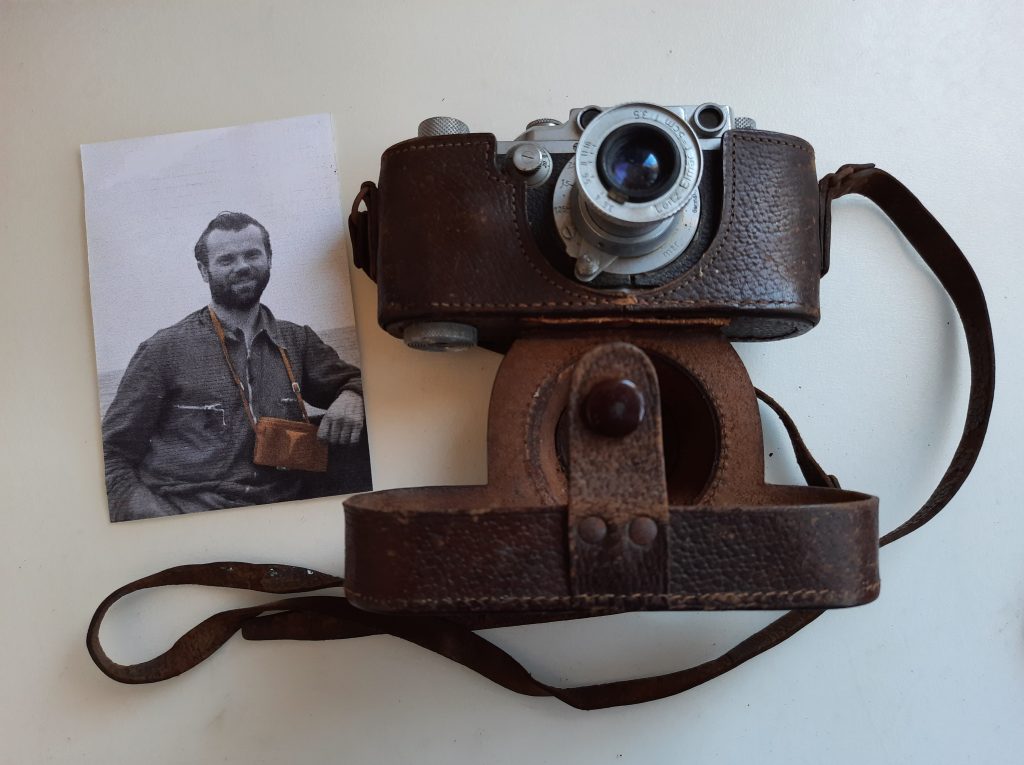
While his camera recorded the terrible reality of battles on the front lines, the observer within him rejected those horrific images, choosing to remember only the beautiful pictures of adventures in foreign lands. From developing in the darkroom, the photographer knew darkness well. In the submarine, he had grown accustomed to the suffocating obscurity of the deep. When the war ended, the returning veteran set up his first studio in an underground bunker.
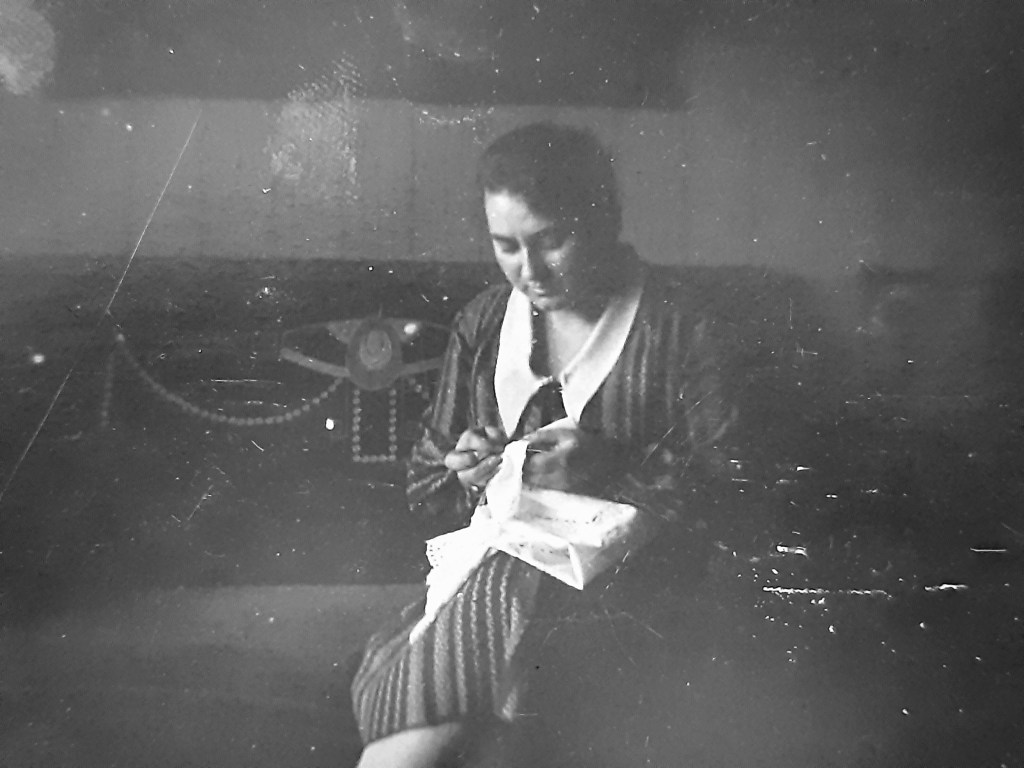
A ruined Germany licked its wounds. At forty, driven by curiosity, he photographed the windows of newly built homes like glittering eyes, the radiant eyes of newlyweds, and—with loving eyes—his wife and daughter. On photographic paper, he reproduced the world of his inner canvas, bearing witness to a new beginning and the rising and falling tides of his homeland.
Distant lands continued to lure the adventurer. Traveling the world, the curious Cyclops used his third eye to explore exotic vegetation, foreign cultures, and the people of distant shores. Later, having retired to a remote island, the old explorer upgraded his equipment, though his own failing eyes began to betray him. The lens of his camera became his way of navigating his surroundings.
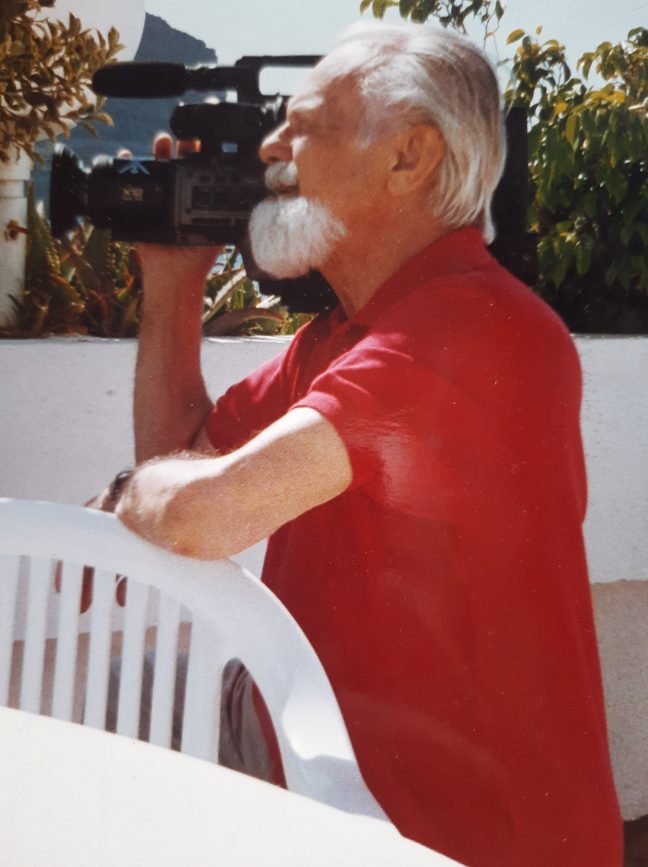
When the light in his gaze finally went out, one half-blind eye remained open in a final stare. As I kissed him one last time, I realized that through his loving vision, he had taught me a love for life. In his photos, I see his perspective. Now that his lids are closed, I can finally see the world behind them.
* From ETA Hoffmann, The Sandman (1817)